
Itaewon, a district located in the heart of Seoul, is known for its cultural diversity, blending of cultures, and cosmopolitan atmosphere. Historically, this neighborhood has evolved significantly, transitioning from a place of commerce and entertainment for American soldiers to an international crossroads where different nationalities, cultures, and identities intersect. Beyond its current reputation as a lively nightlife destination, Itaewon is a place rich in history, shaped by significant social and economic transformations, from the Japanese occupation to the modern era.
The origins of Itaewon date back to the Japanese occupation of Korea (1910-1945). During this period, the Itaewon district was a small village that served as an exchange point for local residents and foreigners. However, it was only after World War II, with the arrival of the U.S. military in Seoul, that the neighborhood began to truly develop and transform into a distinct place. In 1945, after the war ended, the establishment of the Yongsan Garrison (the U.S. military base) nearby played a key role in Itaewon’s growth. The district became a meeting point for American soldiers, expatriates, and local residents.
At that time, Itaewon was primarily known for its vices and prostitution-related activities. The area quickly became a place of entertainment for American soldiers, attracted by bars, clubs, and brothels. The term “yang gongju” (or “American army women”) emerged during this period, referring to young Korean women who engaged in these relationships, often seeking income or material benefits. This period left a lasting mark on the district and shaped Itaewon’s social identity.
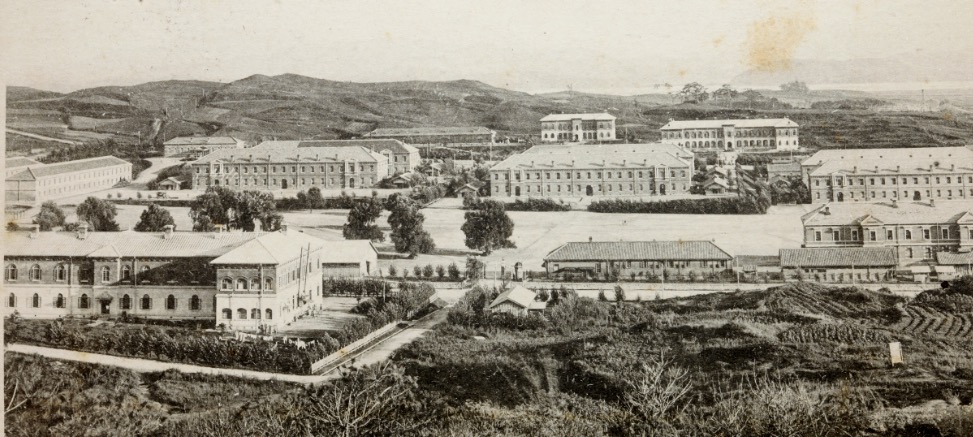
After the Korean War, the Itaewon district solidified its role as a center for cultural exchange, largely due to the continued presence of the U.S. military. This development fostered a blend of foreign and local influences, where American soldiers mingled with the Korean population in entertainment venues. The 1960s and 1970s saw an increase in bars, clubs, and hotels, further strengthening the neighborhood’s reputation as a leisure and social hub for foreigners. Itaewon became a crossroads where cultures, leisure, and commerce converged, marking a period of Westernization in a post-war Korea.
Itaewon has always been a place where cultural identities meet. The influence of the U.S. military has shaped a unique atmosphere, with a strong presence of English in the streets, stores, and interactions. This cultural mix is visible in the architecture, international restaurants, and bars. However, this diversity has not only involved nationalities but also genders and sexual orientations. Itaewon is known for its inclusive atmosphere, providing a space for diverse communities, including the LGBTQ+ community. This multiplicity of identities makes Itaewon a place where cultural and social boundaries are often blurred.
Despite its transformation into an international crossroads, Itaewon remains a neighborhood of marked contrasts. The southern part, around the main street, is dominated by high-end shops, luxury hotels, and fine dining restaurants, attracting expatriates, tourists, and young professionals looking for a trendy urban experience. In contrast, the northern part, closer to the military base and narrow alleys, remains a marginalized area, marked by signs of gentrification. While the south embodies Western cosmopolitanism centered around tourism and luxury, the north is grounded in a tougher social reality. These contrasts are an integral part of the district’s identity, where tensions between different social classes coexist.
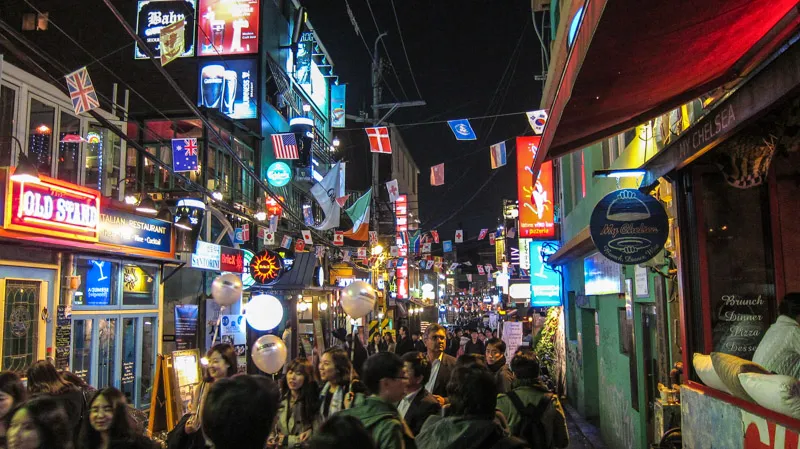
Itaewon is not just a geographic space; it is also a place where ideas, values, and social practices collide. Cultural diversity is one of the most striking elements of Itaewon’s identity. Over the years, the district has been the site of a meeting of cultures, with local and foreign residents, despite coming from very different backgrounds, coexisting and sharing public spaces.
The mix of genders and races in Itaewon is also a key element of its identity. The district is known for its active LGBTQ+ scene, with bars and clubs that attract a diverse clientele, particularly those seeking places where their sexual identity can be expressed more freely. The presence of such venues reflects the desire of some residents to assert their freedom in a space that, while still influenced by conservative social norms in the rest of Korean society, stands as a place of tolerance and plurality.
The blend of cultures is also expressed through the architecture, cuisine, and festivals. The district hosts multinational events, including cultural festivals, fashion shows, and international markets. Residents and visitors of Itaewon are invited to experience cultures from around the world through the numerous dining establishments, music festivals, and cultural events held there. This blend of influences has shaped the district’s identity as an open and welcoming place, both for Koreans and foreigners.
Itaewon is easily accessible by subway via Line 6, Itaewon Station. From the station, simply follow the exits that lead directly to the heart of the district. Buses also serve the area, providing several transport options from downtown Seoul.